As children grow, their smiles change quickly. Baby teeth begin to erupt, eating habits develop, and everyday activities become more adventurous. Along the way, it’s normal for parents to have questions about cavities, dental injuries, changes in tooth development, or oral habits that may affect their child’s smile.
While many childhood dental problems are common, they aren’t always cause for alarm. Knowing what to watch for and scheduling regular dental visits can help identify concerns early and support healthy oral development. In many cases, preventive care and early intervention can help keep small problems from becoming more significant over time.
Below are some of the most common dental problems children experience and what parents should know about each one.
Cavities Are the Most Common Dental Problem in Children
Cavities are one of the most common childhood health conditions, and they can develop as soon as baby teeth begin to erupt. Even though baby teeth eventually fall out, they play an important role in helping children eat, speak clearly, and hold space for their permanent teeth.
Cavities develop when bacteria in the mouth feed on sugars left behind from foods and drinks. Over time, these bacteria produce acids that weaken tooth enamel and create areas of decay.
Parents may notice signs such as:
- White, brown, or dark spots on a tooth
- Sensitivity to hot, cold, or sweet foods
- Complaints of tooth pain
- Food frequently getting stuck between teeth
- Visible holes or damaged areas
Some cavities develop without obvious symptoms, which is why routine pediatric dental exams and cleanings are so important. During these visits, your child’s dentist can look for early signs of decay and recommend preventive options such as fluoride treatments or dental sealants when appropriate. If a cavity does develop, tooth-colored fillings may be recommended to restore the tooth while preserving its natural appearance.
Dental Injuries Can Happen During Everyday Activities
Children love to run, climb, play sports, and explore their surroundings. While these activities are an important part of growing up, they also increase the risk of dental injuries.
A chipped, cracked, or knocked-out tooth can happen unexpectedly during a fall, while riding a bike, or during sports and playground activities. Even injuries that appear minor should be evaluated because damage beneath the surface isn’t always visible.
Contact a pediatric dentist if your child experiences:
- A chipped or broken tooth
- A loose tooth after an injury
- Bleeding that doesn’t stop
- Swelling around the mouth or gums
- Ongoing pain following a fall or accident
Prompt evaluation helps determine whether treatment is needed and can reduce the risk of additional complications. If your child experiences a dental injury, seeking emergency pediatric dental care allows the dental team to assess the injury and recommend the most appropriate next steps.
Changes in Tooth Development Are Worth Monitoring
Every child develops at their own pace, so it’s normal for teeth to erupt at slightly different times. However, some changes may benefit from a professional evaluation to make sure your child’s smile is developing as expected.
Parents commonly have questions when they notice:
- Adult teeth coming in behind baby teeth
- A baby tooth falling out much earlier than expected
- Delayed eruption of permanent teeth
- Teeth that appear crowded or out of alignment
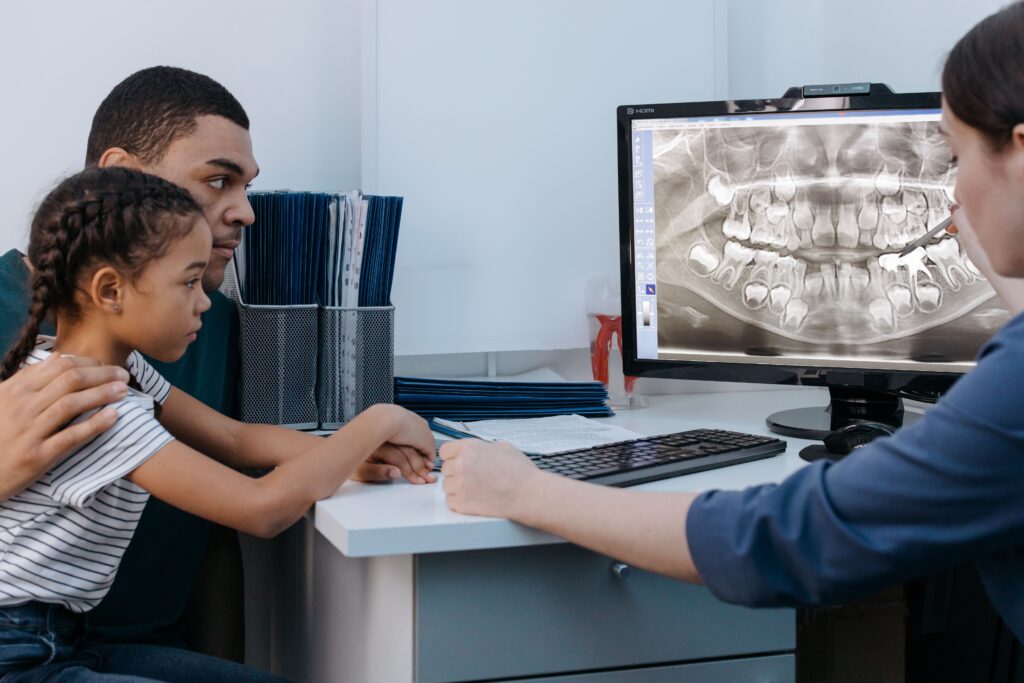
While these situations don’t always require treatment, monitoring them allows your child’s dentist to determine whether intervention is recommended. In some cases, space maintainers may help preserve room for permanent teeth if a baby tooth is lost too early. Routine infant oral exams and regular dental visits also allow your child’s growth and development to be monitored over time. When additional information is needed, digital dental X-rays may be recommended to evaluate teeth that aren’t visible above the gums.
Some Oral Habits Can Affect Healthy Smile Development
Many children develop habits such as thumb sucking or using a pacifier during infancy and early childhood. These habits often provide comfort and are a normal part of development.
As children grow, however, some habits may begin to affect how their teeth and jaws develop if they continue for an extended period.
Other habits that may be discussed during routine visits include:
- Nail biting
- Chewing on pencils or toys
- Tongue thrusting
- Frequent lip biting
Every child is different, and many of these habits improve naturally with time. During routine dental visits, your child’s dentist can monitor their oral development and provide personalized guidance if a habit begins affecting their smile or bite.
Regular Dental Visits Help Protect Growing Smiles
Many dental problems begin before they cause pain or become easy to notice at home. Regular dental visits give your child’s dentist the opportunity to identify concerns early, monitor healthy development, and recommend preventive care based on your child’s individual needs.
Routine visits also give parents an opportunity to ask questions about brushing, flossing, nutrition, oral habits, and developmental milestones. As your child grows, their oral health needs change, and regular checkups help ensure those changes are monitored every step of the way.
Preventive care isn’t just about treating problems—it’s about helping children develop healthy habits and positive experiences that support lifelong oral health.
Help Your Child Build a Healthy Smile
Every child experiences changes in their oral health as they grow, and many common dental problems can be prevented or managed with regular dental care and healthy habits at home.
By recognizing early signs of concern and partnering with a pediatric dentist, parents can help protect their child’s smile through every stage of development.
If you have questions about your child’s oral health or would like to schedule a visit, Pediatric Dentistry of Arnold is here to help. Our team is committed to providing compassionate, individualized care that helps children feel comfortable while supporting healthy smiles for years to come.
Frequently Asked Questions
What are the most common dental problems in children?
Cavities are the most common dental problem in children. Other common concerns include dental injuries, early tooth loss, changes in tooth development, and oral habits that may affect the teeth or bite.
How can I help prevent cavities in my child?
Encourage your child to brush twice a day with fluoride toothpaste, floss daily when appropriate, limit sugary snacks and drinks, and schedule routine dental visits. Your pediatric dentist may also recommend preventive treatments based on your child’s individual risk factors.
Should I be concerned if my child’s adult teeth are coming in behind their baby teeth?
Not always. This can happen as permanent teeth begin to erupt and may resolve naturally in some children. However, it’s a good idea to have your child’s dentist evaluate the area to determine whether any treatment is recommended.
What should I do if my child chips or knocks out a tooth?
Contact a pediatric dentist as soon as possible. Even if the injury appears minor, an examination can help determine whether additional care is needed and reduce the risk of complications.
How often should my child visit the dentist?
Most children benefit from routine dental visits every six months, although your pediatric dentist may recommend a different schedule based on your child’s oral health needs.